
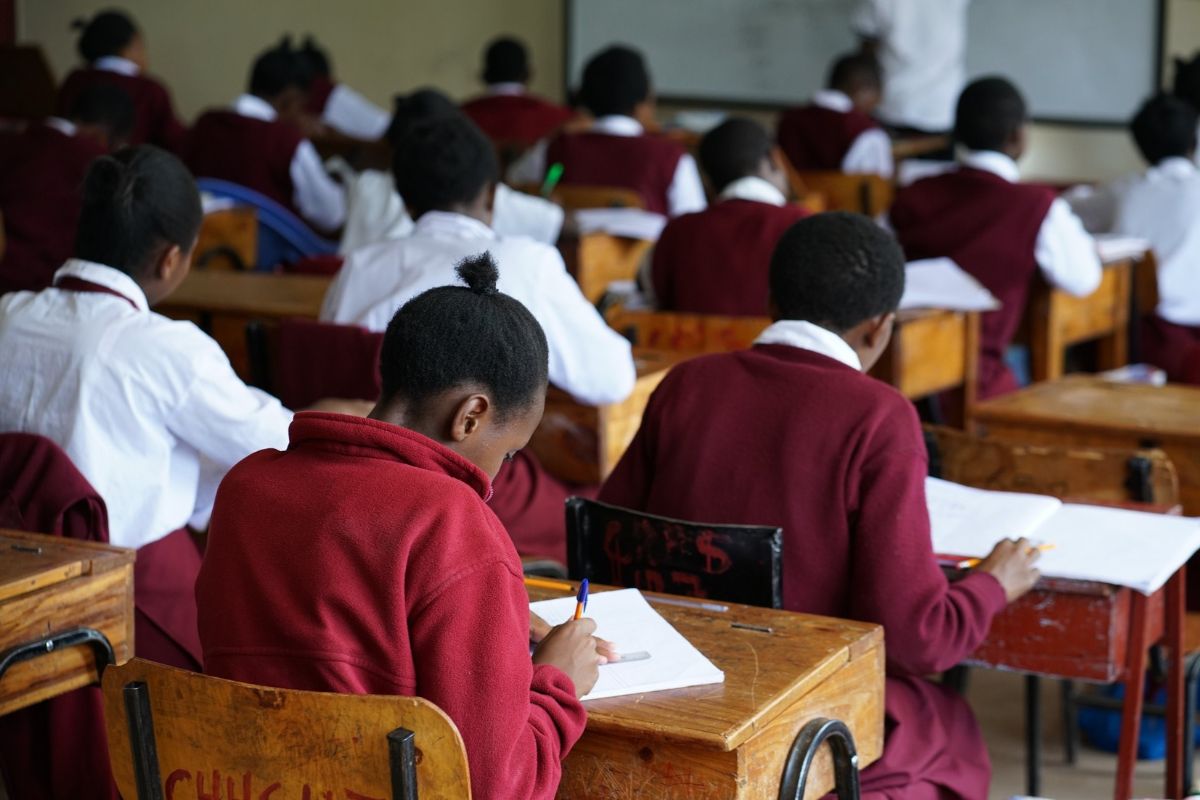
The recent Grade 10 placement crisis has exposed structural inequalities in Kenya’s education system. Thousands of learners competed for limited spaces in a small number of high-performing schools, while the majority were placed in under-resourced institutions. This imbalance reflects long-standing disparities in infrastructure, teacher distribution, funding, and school categorization.
Despite progress in expanding access to education, over 1.13 million children remain out of school, and significant regional disparities persist in enrollment, completion, and learning outcomes. Kenya also faces a teacher shortage of approximately 100,000, which disproportionately affects rural and marginalized areas.
Without deliberate policy reform, educational inequality will continue to reinforce social and wealth disparities, limit innovation, and undermine national development. This article outlines the problem, presents supporting data, and proposes actionable reforms to ensure equitable, high-quality education for all learners.
Scope of the Problem
The competition for limited spaces in elite schools highlights deep inequality in Kenya’s education system. While a small number of schools—historically categorized as national or high-performing institutions—attract disproportionate demand, the majority of learners attend sub-county and rural schools with limited infrastructure and teaching capacity.
Key inequality indicators include:
- Approximately 1.13 million children are out of school, according to an Oxfam Kenya report.
- There is a teacher shortage of around 100,000 nationwide, affecting learning quality.
- Large disparities exist in years of schooling. Learners in Nairobi average about 11 years of schooling, compared to roughly 5 years in counties such as Turkana.
- Only about 204 top-tier (Cluster One/National) schools exist compared with more than 7,000 sub-county schools, demonstrating a structural imbalance in the distribution of quality educational opportunities.
These disparities undermine the principle of equal opportunity enshrined in Kenya’s Constitution and the Basic Education Act.
Root Causes
1. Historical Inequality
Educational inequality in Kenya has deep historical roots. During the colonial period, mission and government schools were concentrated in certain regions, particularly Central and parts of Western Kenya. After independence, while access expanded, disparities in infrastructure, teacher quality, and funding persisted across regions.
2. Categorization of Schools
Kenya’s classification of schools into National, Extra-County, County, and Sub-County institutions has reinforced inequality. National schools are often better funded, better equipped, and attract more qualified teachers.
This categorization creates a hierarchy that channels top-performing students into elite schools while others remain in under-resourced institutions.
3. Heavy Politicization of the Education System
Education reforms in Kenya have frequently been influenced by political interests rather than long-term policy planning. Political interference has contributed to slow reforms, inconsistent policy implementation, and poor management.
Decisions regarding school upgrades, resource allocation, and curriculum reforms sometimes reflect political calculations instead of educational needs.
Why It Matters
1. Loss of Talent
When students from disadvantaged backgrounds lack access to quality education, their potential remains underdeveloped. This leads to a national loss of talent and reduced productivity.
2. Low Innovation and Productivity
A country’s innovation capacity depends on the quality of its education system. Inequality limits exposure to quality science laboratories, technology, and mentorship, reducing opportunities for creative and scientific advancement.
3. Persistent Social Inequality
Education is a major pathway to social mobility. Unequal access to quality education reinforces existing social and regional inequalities.
4. Widening Wealth Inequality
Students from well-resourced schools are more likely to access competitive university programs and high-paying careers, while those from poorly equipped schools face limited opportunities.
This cycle perpetuates wealth disparities across generations.
Policy Recommendations
1. End the Categorization of Schools
The government should progressively eliminate hierarchical classifications such as National schools and ensure that all public schools receive equitable infrastructure development and resource allocation.
2. Establish Equal Standards Across All Schools
Uniform national standards should guide classroom design, laboratory facilities, libraries, technology access, and student-teacher ratios to ensure equity in learning environments.
3. Reduce Politicization of Education
Education policy should be guided by professional educators and policy experts rather than political interests. Long-term planning and evidence-based reforms are essential.
The Ministry of Education should oversee school development, infrastructure expansion, quality assurance, and resource management across Kenya to ensure accountability and consistency.
4. Pool Resources to Support Truly Free Education
The government should consolidate education funding mechanisms to fully support free primary and secondary education, ensuring adequate capitation and infrastructure development.
5. Increase Investment in Teacher Training
Quality teachers are central to quality education. Expanding teacher training programs, improving remuneration, and ensuring equitable distribution of teachers across regions will enhance learning outcomes.
6. Review and Strengthen the Competency-Based Curriculum
The ongoing implementation of the Competency-Based Curriculum should be reviewed to address challenges related to infrastructure, teacher preparedness, learning materials, and assessment methods.
Equity considerations must guide curriculum reforms.
Conclusion
The Grade 10 placement crisis is a reminder of the need to address systemic inequality in Kenya’s education system. Without bold reform, disparities in school quality will continue to limit opportunity and widen wealth gaps.
Improved funding, standardized infrastructure, teacher investment, and governance reform can transform education into a genuine equalizer. Kenya’s long-term economic competitiveness and social cohesion depend on ensuring that every child—regardless of region or background—has access to quality education.
Related: Fixing Education Inequality in Kenya: A Clear Pathway to a Trillion-Dollar Economy