
Foreign nationals operating businesses in Kenya have been given 90 days to regularise their immigration status and business operations as the government moves to tighten enforcement of rules governing small-scale trade.
The announcement, made on Tuesday, September 8, 2026, follows growing concerns from Kenyan traders over the increasing participation of foreign nationals in small shops, hawking and other informal businesses.
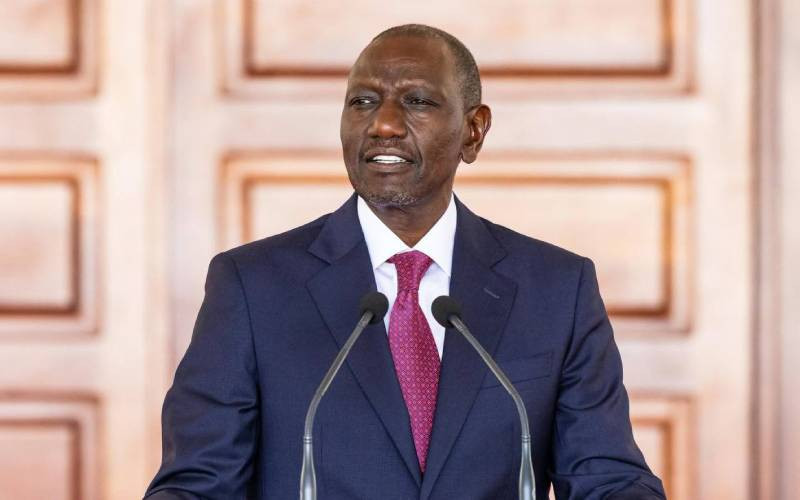
State House spokesperson Hussein Mohamed said the 90-day period will provide affected foreign nationals with an opportunity to comply with existing immigration, work-permit, business registration and licensing requirements.
The regularisation exercise will be coordinated by relevant government agencies in consultation with the embassies of affected countries. Authorities are expected to guide foreign business operators through the process and ensure that requirements are applied fairly and consistently.
The government has, however, warned that the reprieve will not be indefinite. Once the 90-day period expires, immigration, work-permit, registration and licensing requirements will be enforced firmly and strictly, in accordance with the law and due process.
The move follows President William Ruto’s recent directive concerning foreign participation in Kenya’s small-scale business sector. Ruto has argued that micro and small enterprises provide livelihoods for millions of Kenyans and that the government has a responsibility to protect economic opportunities for citizens.
At the same time, the government has stressed that the initiative is not a blanket ban on foreign investment or legitimate foreign businesses. Foreign nationals who are lawfully resident, properly documented and authorised to work or conduct business in Kenya remain protected under the law.
Ruto has also directed that the Local Content Bill, 2025, currently before Parliament, be expanded to establish a clearer framework for foreign participation in small-scale trade. The proposed framework could identify categories of economic activity that may be reserved for Kenyan citizens.
The government has further warned individuals against harassing, threatening or intimidating foreign nationals. Officials say enforcement must be carried out only by authorised state agencies, stressing that concerns over competition cannot justify discrimination or violence.
The 90-day window therefore gives foreign-owned small businesses a limited opportunity to ensure that their operations are fully compliant before stricter enforcement begins.
Related: Kenya Loses 400 Dollar Millionaires Amid Economic Pressures