
Kenya’s banking landscape is undergoing a significant shift, with local lenders strengthening their dominance while Standard Chartered Bank Kenya has dropped out of the country’s top-tier banking category.
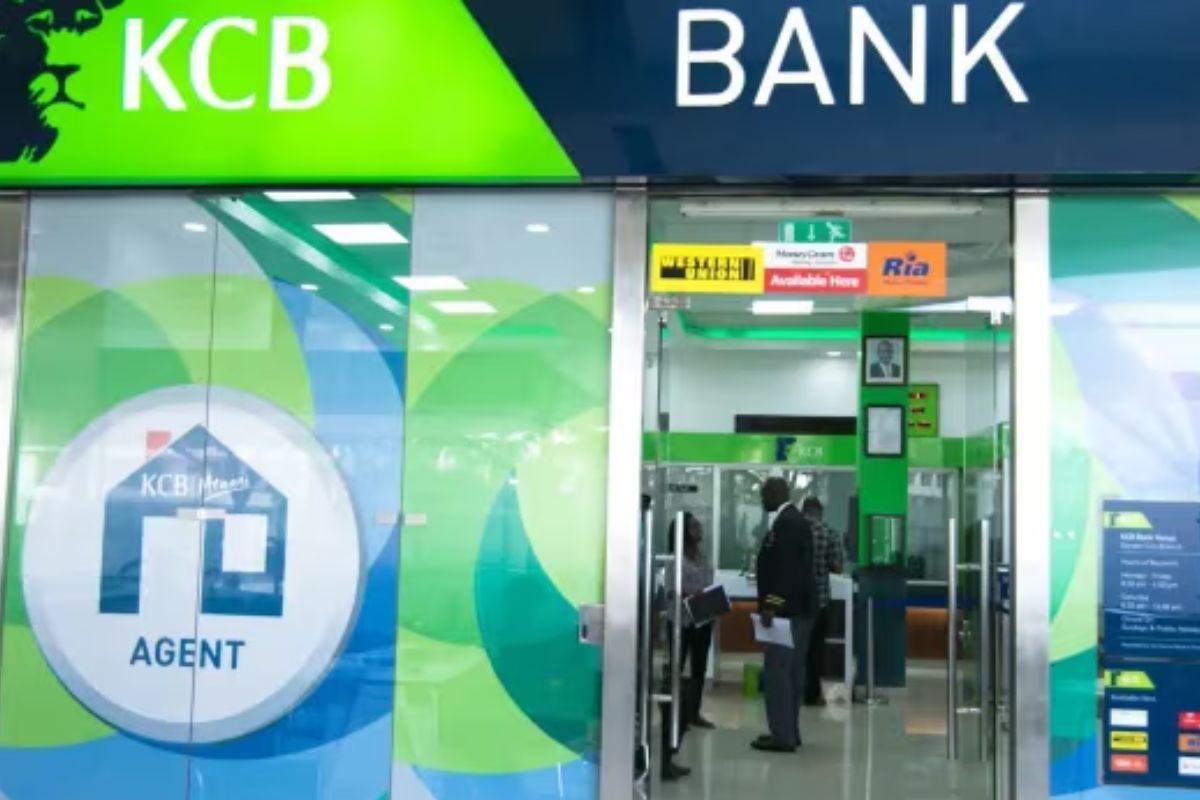
According to the Central Bank of Kenya (CBK) 2025 Bank Supervision Annual Report, KCB Bank Kenya remained the country’s largest bank by market size at the end of December 2025, with a market-size index of 17.3 percent. Equity Bank followed with 11.8 percent, while Co-operative Bank ranked third at 9.4 percent.
The CBK market-size index takes into account several indicators, including net assets, customer deposits, shareholders’ funds and the number of deposit and loan accounts.
KCB’s position has strengthened significantly in recent years. Its net assets stood at approximately KSh1.5 trillion at the end of 2025, while its market share rose from 13.89 percent in 2019 to 17.3 percent last year. Equity Bank’s market share also increased from 10.24 percent to 11.8 percent over the same period.
In contrast, Standard Chartered Bank Kenya’s market share declined to 4.5 percent in 2025, down from 5.4 percent in 2024. The decline pushed the lender below the five-percent threshold used by CBK to classify banks in the large peer group.
Banks with a market share of at least five percent are classified as large, while those with between one and five percent fall into the medium category.
Standard Chartered’s net assets stood at about KSh364.5 billion in 2025, compared with KSh302.3 billion in 2019. Despite the growth, its expansion has been slower than that of several locally controlled competitors.
The movement leaves eight banks in CBK’s large peer group. The combined market share of large banks consequently fell to 69.7 percent in December 2025 from 75.6 percent a year earlier, largely because of Standard Chartered’s reclassification.
The figures point to continued changes in Kenya’s highly competitive banking sector, as local institutions expand their balance sheets, customer bases and lending operations.