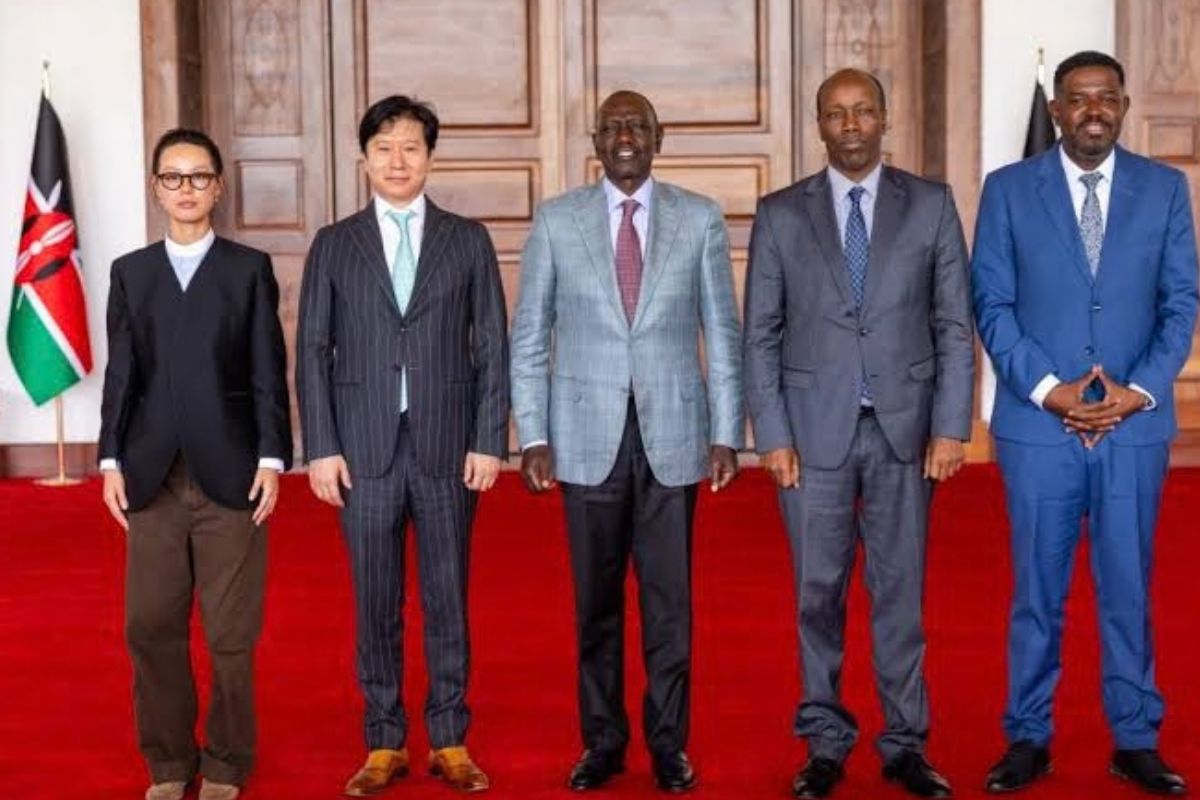
Kenya has signed a proposed KSh389 billion (about US$3 billion) Memorandum of Understanding (MoU) with Endelevu Enterprise Corporation to develop an electric-vehicle manufacturing and green-mobility ecosystem in the country.
President William Ruto presided over the signing at State House, Nairobi, on October 6, 2026. The project is expected to involve Chinese automaker Geely as a strategic partner.
The proposed investment would establish two vehicle assembly plants. One would have capacity to produce about 50,000 four-wheel vehicles annually, while another would produce up to 100,000 two-wheelers and light-mobility vehicles per year. Combined, the proposed facilities could produce up to 150,000 vehicles annually.
The project also includes plans for 1,000 solar-powered charging hubs across Kenya and a digital platform capable of managing as many as 100,000 electric vehicles.
Expected jobs and economic impact
The government says the investment could create approximately 2,000 direct jobs and more than 20,000 indirect opportunities through suppliers, logistics companies and other businesses. A further 80,000 opportunities could emerge in fleet management, operations and related services.
For Kenya, the project is significant because it could move the country beyond importing finished vehicles toward local assembly, manufacturing, technology transfer and development of domestic suppliers.
It could also create opportunities for Kenyan SMEs involved in components, transport, maintenance, software, charging infrastructure and other services.
The project is intended to serve not only Kenya but also the wider East African and African markets, particularly where vehicles meet applicable regional rules of origin.
What investors and Kenyans should watch
Despite the size of the announcement, it is important to note that this is currently an MoU and a proposed investment. The signing itself does not mean that the factories have already been built or that production has started. Reports available so far do not provide a definitive construction or production timetable.
The next important milestones will therefore be the final investment agreements, financing arrangements, land and infrastructure approvals, construction and eventual commencement of production.
For Kenya’s economy, the bigger question will be whether the proposed investment translates into actual factories, jobs, local suppliers and technology transfer, rather than remaining at the MoU stage.
Read more: Kenya, Dangote Agree on Turkana-Lamu Oil Pipeline as First Oil Targets December