
Kenya’s corporate sector is home to some of Africa’s most lucrative executive compensation packages, with chief executives of major banks and telecommunications companies earning hundreds of millions of shillings annually.
The latest remuneration disclosures available in 2026 show that Co-operative Bank CEO Gideon Muriuki is the highest-paid chief executive among the companies covered, with total remuneration of approximately KSh489.5 million.
He is followed by Safaricom CEO Peter Ndegwa, whose total remuneration reached KSh324.5 million for the financial year ended March 2026.
Equity Group CEO James Mwangi, KCB Group CEO Paul Russo and NCBA Group CEO John Gachora complete the top five.
Together, the five executives received approximately KSh1.57 billion in their latest reported remuneration.
1. Gideon Muriuki — Co-operative Bank
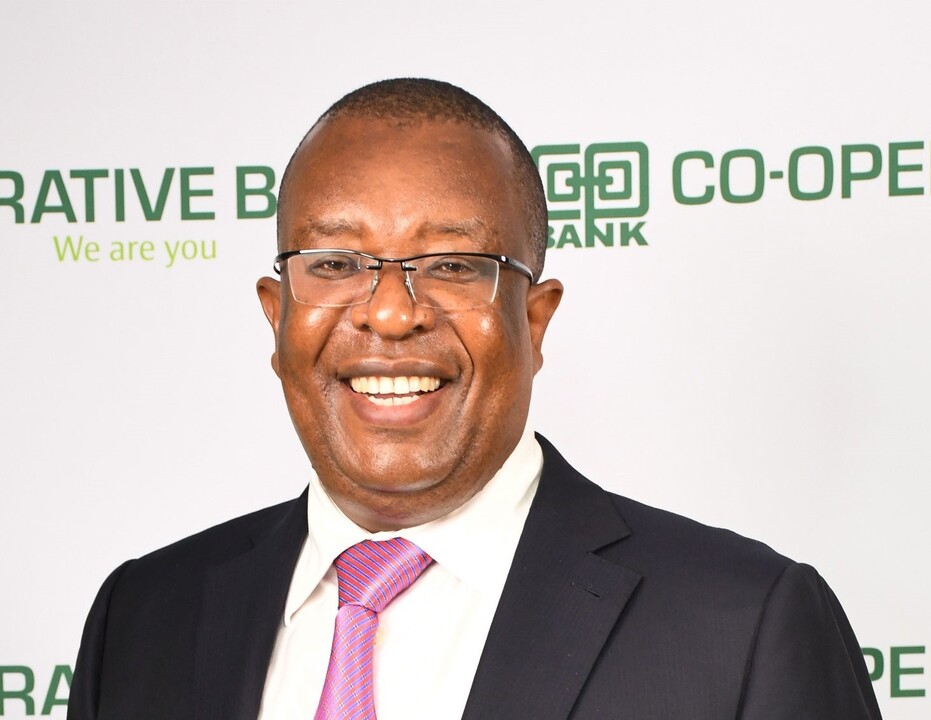
Co-operative Bank Managing Director and CEO Gideon Muriuki leads the list.
For the year ended December 2025, Muriuki received total remuneration of approximately KSh489.5 million, consisting of salary and a substantial performance-related bonus. Business Daily reported that his package comprised KSh185.76 million in salary and KSh303.7 million in bonus payments.
His performance bonus alone was more than KSh300 million.
Separate reporting on listed banks put his bonus at approximately KSh307.7 million, making it the largest CEO bonus among the eight listed banks covered in the analysis.
The figures demonstrate the extent to which performance-based compensation can influence the final earnings of senior executives in Kenya’s banking sector.
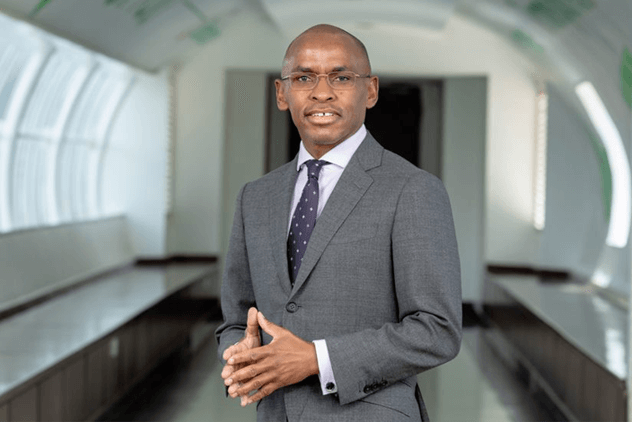
2. Peter Ndegwa — Safaricom
Safaricom CEO Peter Ndegwa ranks second, with total remuneration of KSh324.5 million for the financial year ended March 31, 2026.
According to Safaricom’s 2026 remuneration disclosures, his package consisted of:
- Basic salary: KSh105.4 million
- Bonus: KSh118.5 million
- Non-cash benefits: KSh31.4 million
- Performance share awards: KSh69.2 million
His total compensation increased from the previous financial year.
The increase came as Safaricom reported strong financial results, including a record KSh119.1 billion net profit for the year ended March 2026.
Ndegwa’s package also illustrates why it is important to distinguish between salary and total remuneration. His basic salary of KSh105.4 million was only part of the KSh324.5 million total.
3. James Mwangi — Equity Group
Equity Group CEO James Mwangi ranks third with total compensation of KSh275.7 million for the year ended December 2025.
His package included a KSh90.8 million performance bonus, awarded after Equity Group reported a record annual profit of KSh71.9 billion.
Equity’s net profit increased by 54.6 percent during the year, according to Business Daily.
Mwangi’s total compensation therefore crossed the KSh200 million mark, demonstrating the significant role of performance incentives in the remuneration of top banking executives.
4. Paul Russo — KCB Group
Total remuneration: KSh285.3 million
KCB Group CEO Paul Russo received KSh285.3 million for the year ended December 2025, according to KCB Group’s 2025 Integrated Report.
His remuneration included:
- Salary: KSh85.9 million
- Cash bonus: KSh118.6 million
- Deferred bonus: KSh39.5 million
- Allowances: KSh10.8 million
- Gratuity: KSh25.8 million
- Non-cash benefits: KSh4.7 million
That brought his total reported remuneration to KSh285.306 million.
A ranking correction
Although some 2026 media reports have placed Russo below James Mwangi, the KCB annual report shows KSh285.3 million, which is higher than Mwangi’s KSh275.7 million.
On the basis of these disclosed figures, Russo would therefore rank third, while Mwangi would rank fourth.
5. John Gachora — NCBA Group
NCBA Group CEO John Gachora completes the top five with total remuneration of approximately KSh208.4 million.
Gachora has been one of Kenya’s highest-paid banking executives for several years as NCBA has expanded its operations and financial services business across the region.
His compensation, like that of his peers, includes more than basic salary, with performance-related payments and other benefits contributing to the overall package.
How much do the top five earn?
Using the latest disclosed figures, the five executives’ combined remuneration is approximately: KSh1.58 billion,
That works out to an average of roughly KSh316 million per CEO based on their respective reporting periods.
However, the figures should not be interpreted as five executives earning these amounts during exactly the same 12-month period. Safaricom’s figure covers the year ended March 2026, while the banking figures primarily relate to the year ended December 2025.
Why are CEO earnings so high?
A CEO’s annual remuneration is usually much more than a basic salary.
Executive compensation packages can contain:
- Basic salary
- Performance bonuses
- Deferred bonuses
- Share awards
- Gratuity
- Allowances
- Medical and insurance benefits
- Other non-cash benefits
Performance bonuses are particularly important among Kenya’s biggest listed companies.
For example, eight CEOs of listed Kenyan banks collectively received KSh817 million in bonuses for the latest reported period, an increase of 26.5 percent from the previous year. Co-operative Bank’s Muriuki received the largest bonus in that group.
Banking dominates the top end of executive pay
Four of the five executives in this list run major banking groups, while Safaricom represents the telecommunications sector.
This reflects the enormous scale of Kenya’s banking industry and the profitability of the country’s largest financial institutions.
Banks such as Co-operative Bank, KCB, Equity and NCBA manage billions of shillings in assets and operate extensive networks across Kenya and other African markets.
Their CEOs therefore oversee businesses with significant revenues, large workforces, substantial customer bases and complex regional operations.
Salary versus total remuneration
It is important not to confuse annual salary with total annual remuneration.
For example, Peter Ndegwa’s basic salary was KSh105.4 million, but his total package reached KSh324.5 million after bonuses, benefits and performance share awards were included.
Similarly, Paul Russo’s KSh285.3 million package contained a salary component of KSh85.9 million, with bonuses, gratuity, allowances and other benefits making up the remainder.
Consequently, headlines describing these figures simply as “annual salaries” can give an incomplete picture of how executive compensation is structured.
The bottom line
The latest disclosures available in 2026 show just how lucrative the top of Kenya’s corporate sector can be.
Gideon Muriuki leads the group with approximately KSh489.5 million, followed by Peter Ndegwa at KSh324.5 million.
KCB’s Paul Russo, Equity’s James Mwangi and NCBA’s John Gachora complete the group of executives whose latest disclosed remuneration exceeds KSh200 million.
The figures also highlight a broader trend in corporate Kenya: performance bonuses and share-based incentives can account for a substantial portion of executive compensation, meaning the headline salary alone does not tell the full story.