

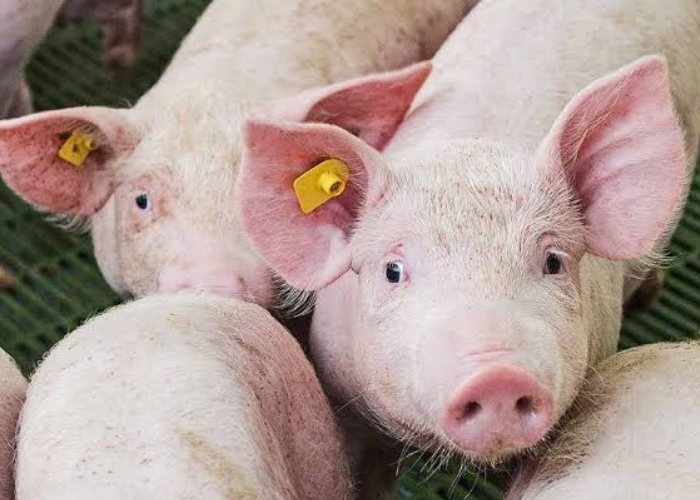
Kenya has intensified efforts to contain an outbreak of African Swine Fever (ASF) after more than 1,470 pigs died in Kiambu County, with the disease also reported in six other counties.
According to the Department of Veterinary Services, more than 20 farms in Kiambu have been affected since the outbreak was reported in mid-May 2026. The spread has raised concerns about the impact on pig farmers, household incomes and the wider livestock industry.
The disease has also been reported in Tharaka-Nithi, Busia, Embu, Kakamega, Homa Bay and Migori, indicating that the outbreak is not confined to Kiambu.
Tharaka-Nithi records high number of deaths
Tharaka-Nithi has also recorded significant losses. Veterinary authorities reported 108 cases and 97 deaths between January 5 and January 11, 2026, highlighting the continuing challenge posed by ASF in the country.
The government has consequently stepped up livestock disease surveillance and response measures while increasing monitoring of animal movement.
Authorities are particularly concerned about the movement of livestock across county and international borders, which can make it more difficult to contain transboundary animal diseases.
Serious threat to pig farmers
African Swine Fever is a highly contagious viral disease that affects domestic and wild pigs. It can cause extremely high mortality among infected animals and can result in severe financial losses for farmers.
For small-scale farmers who depend on pig farming for household income, losing an entire herd can be financially devastating. The outbreak could also disrupt the supply of pigs and pork and affect businesses involved in animal feeds, transportation, slaughter and meat distribution.
The Kenyan pig sector contributes an estimated KSh19.5 billion, or about five per cent of livestock output, according to reports citing government information.
Government strengthens disease controls
The government says it is strengthening surveillance, prevention and response measures to prevent the disease from spreading further.
Authorities are also monitoring livestock and pastoralist movements across international borders. Kenya is implementing the IGAD Protocol on Transhumance, which provides a framework for managing seasonal cross-border movement of pastoralists and livestock while reducing the risk of disease transmission.
The government is also implementing other programmes aimed at improving livestock resilience and disease control in Eastern Africa.
African Swine Fever does not infect humans, but its economic impact on farmers and the livestock industry can be severe.
Related: Foreign-Owned Small Businesses Given 90 Days to Regularise Operations in Kenya


