
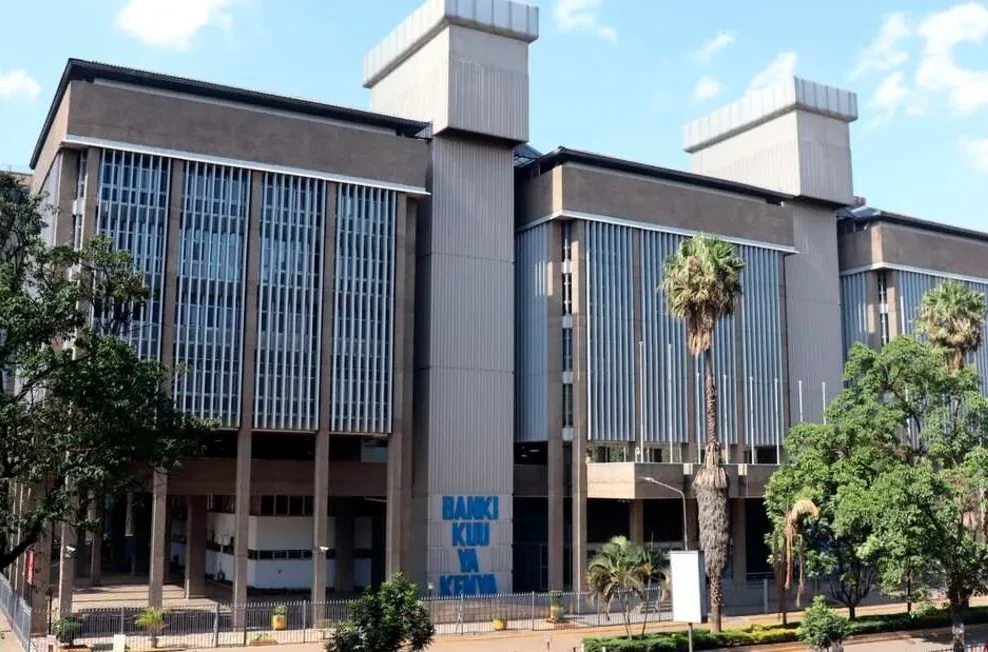
The Central Bank of Kenya (CBK) has penalised 33 commercial banks for failing to comply with its Risk-Based Credit Pricing Model (RBCPM), highlighting widespread breaches in how lenders priced loans in 2025.
The findings are contained in CBK’s 2025 Bank Supervision Annual Report, released in September 2026. The regulator conducted targeted inspections across all commercial banks to assess compliance with the credit-pricing framework.
According to CBK, 33 banks were fined while two others faced administrative action. Only three banks were found to be fully compliant with the RBCPM requirements.
The RBCPM was introduced to ensure that lending rates reflect factors such as the cost of funds, operating costs and the individual risk profile of borrowers. In August 2025, CBK revised the framework, providing for variable-rate loans to be priced using KESONIA plus a bank-specific premium and applicable fees and charges. The revised model took effect for new variable-rate loans from September 1, 2025, while existing loans transitioned by February 28, 2026.
The crackdown came after CBK repeatedly pushed banks to pass reductions in its benchmark Central Bank Rate (CBR) on to borrowers. Between August 2024 and August 2025, the CBR was reduced by 3.5 percentage points, from 13 percent to 9.5 percent.
CBK’s broader supervision report shows that 35 of Kenya’s 38 commercial banks were found to have violated provisions of the Banking Act or CBK Prudential Guidelines at the end of 2025, compared with 11 banks in 2024.
Other breaches included 10 banks exceeding the single-obligor lending limit, seven banks falling below the KSh3 billion minimum core-capital requirement, and violations involving liquidity, foreign-exchange exposure and corporate governance.
CBK has not publicly identified the 33 banks that received penalties or disclosed the individual amounts of the fines in the report.
What this means for borrowers
The enforcement is significant for Kenyan borrowers because the credit-pricing framework is intended to make loan pricing more transparent and ensure that changes in benchmark rates are reflected appropriately in borrowing costs. The average commercial-bank lending rate had fallen to 14.3 percent in July 2026, from 17.2 percent in November 2025, according to reporting based on CBK data
Read more: Ruto Urges Banks to Lower Cost of Borrowing, Expand Access to Credit