

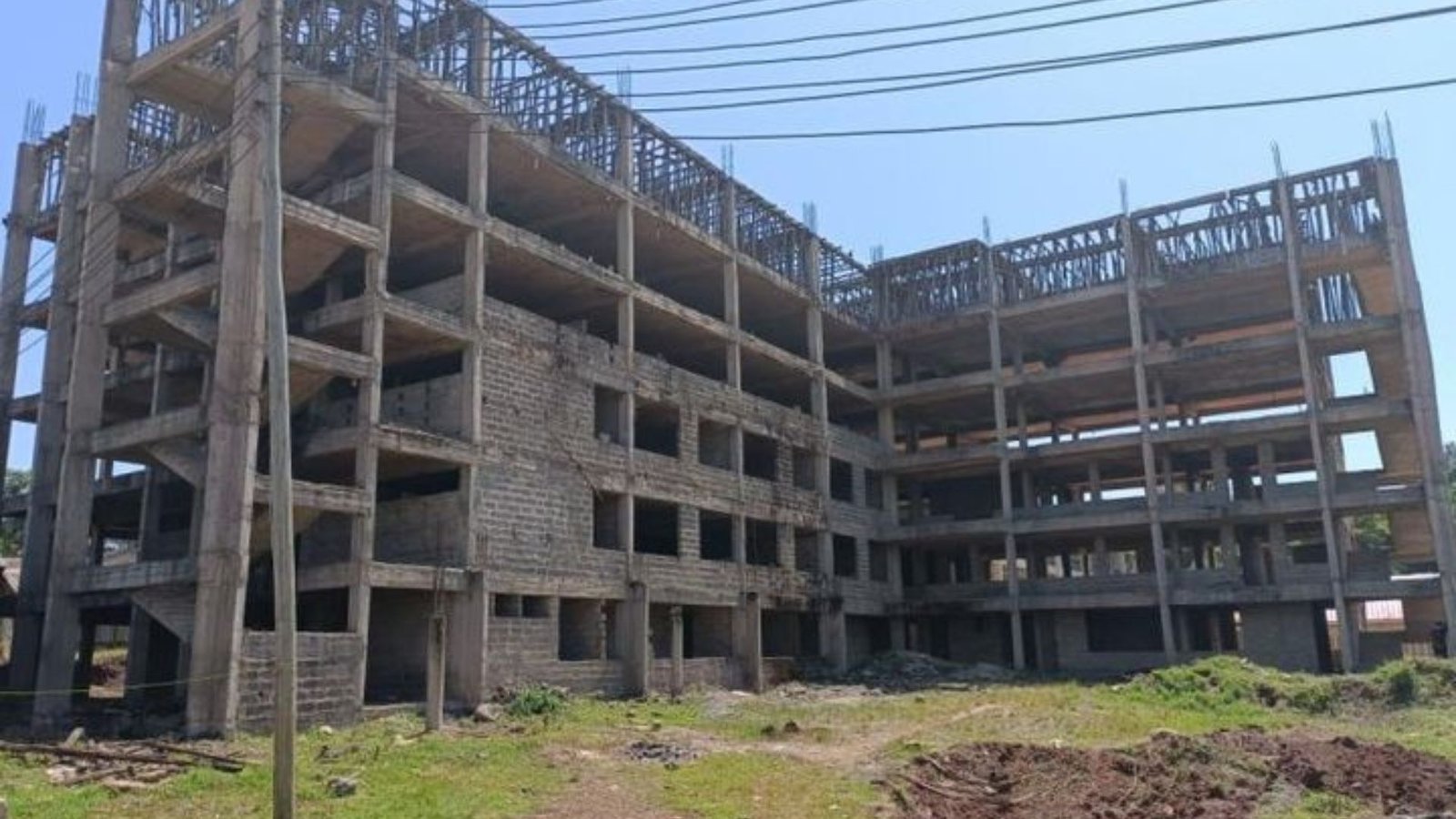
Kenya’s development agenda has undergone intense scrutiny following the recent revelation of countless incomplete projects across the country. Billions of shillings have been wasted on many projects that have either stalled, abandoned, or fallen behind schedule. Other projects remain unused despite completion.
As the need to cut government spending increases, leaders must find a change in the policymaking process. One promising opportunity lies in adopting evidence-based policymaking. The principles of this approach provide the framework that political leaders can apply to enhance the outcomes of policy, programs, and initiatives.
What is evidence-based policymaking?
Evidence-based policymaking is a policy development method that incorporates credible and relevant evidence in decision-making. The method is based on the premise that policy decisions should be driven by country or community needs instead of political opinion or ideological beliefs. It stands in stark contrast to opinion-based policymaking, which often leads to poor outcomes of policy interventions.
The method can take various forms; e use of research findings to inform new policy or the use of evidence to enhance the effectiveness of existing projects. Additionally, the following is a set of core principles that leaders can champion to facilitate evidence-based policymaking.
| Principles of EBPM |
| Build and compile rigorous evidence |
| Monitor project deliver and evaluate the project effectiveness |
| Apply credible evidence to improve projects, and scale what works |
| Encourage innovation and evaluate new approaches |
Why evidence-based approach to decision making?
The policymaking process in Kenya has been inherently political. Ultimately, the widespread development projects that have stalled or been abandoned are attributed to opinion-based policymaking.
Currently, the National Assembly and the Senate rely on the Parliamentary Research Services to offer research support in policy research and analysis. However, given the countless incomplete projects across the country, the PRS is either underutilized or ignored.
The potential for evidence-informed policy development has never been greater. The widespread availability of data and the increasing public focus on project outcomes give political leaders an expanded ability to determine the effectiveness of public projects. Evidence-based policymaking provides the framework to determine the social benefits and costs of projects.
Legislators cannot predict the future or know for sure whether policies will generate positive outcomes. This is why credible evidence and policy evaluation should be a critical component of the legislative process.
Subjecting government programs to comprehensive evaluation is the best approach to cut waste of public resources. Projects that have been rigorously evaluated deliver better outcomes to the target community and the entire country.
Conclusion and recommendations
Evidence-informed policymaking offers a critical resource to help the country overcome the problem of stalled projects. The method will ensure public funds are used efficiently and effectively. However, the transition from the traditional opinion-based policy to an evidence-based approach must be supported.
It is critical to engage legislators to understand evidence-based policymaking and its value. Also, the government must increase politicians’ capacity to implement the evidence-based approach by improving access to evidence. Lastly, the Parliamentary Research Services should receive support to facilitate its role in providing research support in policy research and evaluation to the two houses of parliament.
Related: Kenya Must Ban Gambling to Rescue the Economy and Its Young People