
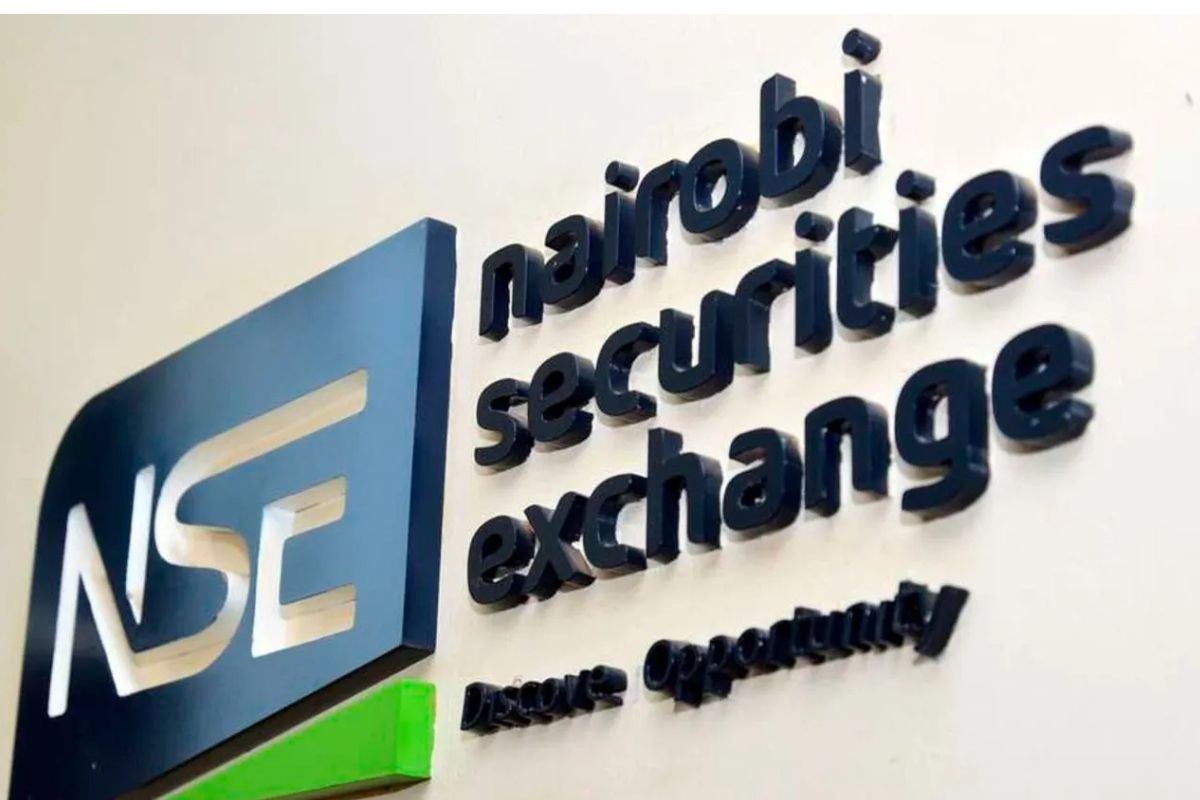
The Nairobi Securities Exchange (NSE) has slipped below the KSh4 trillion market-capitalisation threshold following a broad sell-off that wiped nearly KSh140 billion from the value of listed companies in a single trading session.
The market capitalisation fell to about KSh3.9 trillion, down 3.38 per cent, as investors stepped up selling across several sectors. The decline came after the NSE had reached a record market value of approximately KSh4.285 trillion on September 3, highlighting the scale of the recent correction.
The benchmark NSE All Share Index (NASI) dropped 5.47 per cent during the session, while the NSE 25 Share Index declined 4.16 per cent. The Banking Index also fell 4.14 per cent.
The sell-off was broad-based, with 46 counters recording losses compared with nine gainers, signalling widespread pressure rather than weakness concentrated in a handful of companies.
Large banking stocks were among those affected, with KCB Group, Equity Group and Co-operative Bank recording notable declines. Banks have been key contributors to the NSE’s strong performance during much of the year, making them particularly important to the market’s recent pullback.
Analysts have attributed the correction to increased profit-taking following the market’s strong gains earlier in the year. Foreign investor activity, higher global bond yields and elevated oil prices amid geopolitical tensions have also contributed to uncertainty in emerging and frontier markets.
Despite the latest decline, the NSE remains significantly above its level at the beginning of the year. The NASI is still approximately 27 per cent higher year-to-date, according to market reports, suggesting that the current decline represents a substantial correction following an extended rally rather than a complete reversal of the year’s gains.
The fall below KSh4 trillion marks an important psychological level for the Kenyan equities market. Investors will now be watching trading volumes, foreign participation and the performance of major blue-chip counters for indications of whether selling pressure will persist or begin to ease.
The coming sessions are therefore likely to be closely watched as investors reassess valuations following the rapid gains recorded earlier in the year.
Read more: NSE Approves WSA Banking ETF Ahead of Historic Local Listing